Moving heavy machinery requires more than simply loading equipment onto a trailer and heading to the jobsite. Proper tie-down techniques protect valuable equipment, improve road safety, and prevent costly damage during transport. Whether you haul construction equipment, utility machinery, or industrial assets, securing every load correctly should remain a top priority.
At Premier Custom Trailers, we work with customers across the country who need dependable hauling solutions for demanding applications. With more than four decades of combined industry experience, our team helps buyers find trailers designed for safety and reliable equipment transport. Understanding the best trailer tie-down practices for heavy machinery can help you protect your investment while maximizing efficiency on every trip.
Understand Equipment Weight Before Securing the Load
Every successful transport job starts with knowing the exact weight of the machinery being hauled. Weight affects trailer selection, tie-down requirements, axle distribution, and overall towing performance. Operators should always verify equipment specifications before loading.
Heavy machinery often carries attachments, accessories, or modifications that increase total transport weight. Factoring in these additions create a more accurate load plan. Proper planning reduces the risk of overloading the trailer and improves overall stability during transport.
Choose the Right Tie-Down Equipment
Not all tie-down systems provide the same level of strength and security. Heavy machinery requires equipment specifically designed to handle substantial weight and shifting forces. Chains, binders, ratchet straps, and anchor points should match or exceed the load requirements.
Inspect all tie-down equipment before every trip. Look for worn links, damaged hooks, frayed straps, or bent hardware that could compromise safety. Replacing damaged components immediately prevents failures while traveling.
Position Machinery Correctly on the Trailer
Proper equipment placement plays a major role in safe transportation. The load should sit evenly between the trailer axles to maintain balanced weight distribution. Improper positioning can create excessive tongue weight or reduce trailer stability.
Operators should load machinery slowly and carefully to achieve the desired balance point. Taking a few extra minutes during loading often prevents significant towing issues later. Balanced loads improve handling and reduce stress on the trailer and tow vehicle.
Inspect and Use All Available Anchor Points
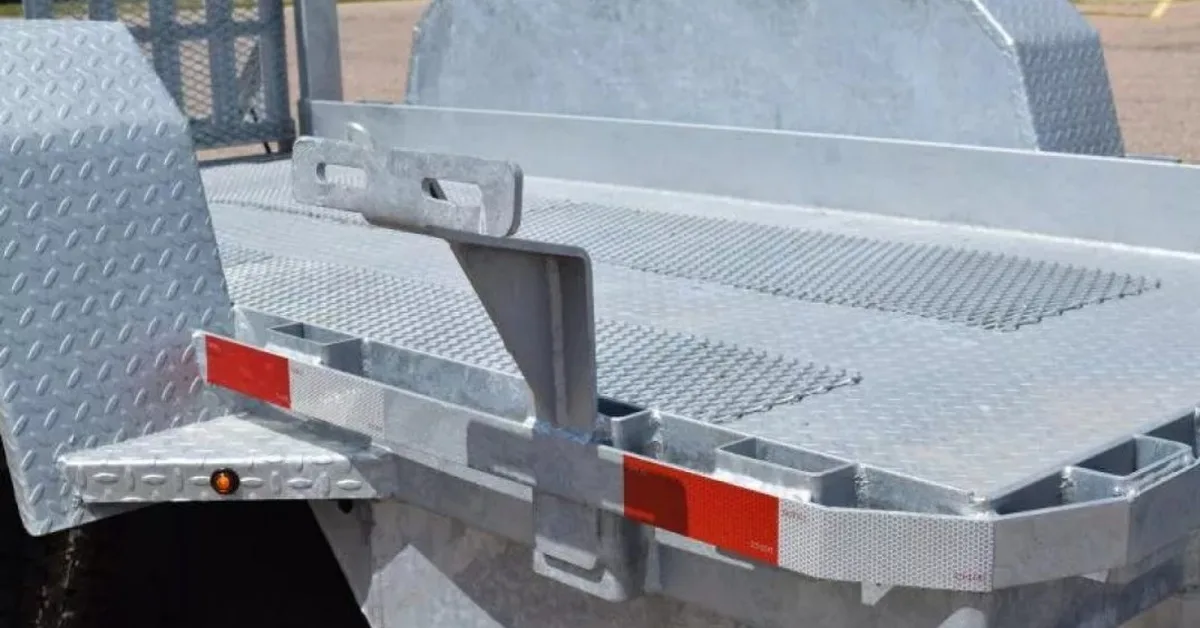
Manufacturers design equipment and trailers with designated tie-down locations for a reason. These anchor points provide the strongest and safest locations for securing heavy machinery. Using improper attachment locations can damage equipment or weaken load security.
Many modern trailers feature reinforced D-rings, stake pockets, or integrated tie-down systems. Premier Custom Trailers offers hauling solutions with durable tie-down points engineered for demanding transportation needs. Taking advantage of these features create a more secure hauling setup.
Follow the Four-Point Securement Method
The four-point securement method remains one of the most widely recommended approaches for transporting heavy machinery. This method secures equipment at four separate locations to limit movement in every direction. Properly tensioned tie-downs prevent forward, backward, and lateral shifting.
Operators should attach tie-downs to structurally sound portions of the equipment. Consistent tension across all connection points creates balanced restraint. This approach can maintain equipment stability even when road conditions become less predictable.
Tie-Down Inspection Steps Before Departure
Before leaving any jobsite or loading area, conduct a complete inspection of the securement system. Small oversights can create major problems once the vehicle reaches highway speeds. A final inspection can verify that every component functions properly.
We typically recommend the following inspection checklist to customers:
- Verify all chains and straps remain free from damage.
- Confirm binders are fully tightened.
- Check anchor points for secure attachment.
- Ensure machinery attachments are lowered and secured.
- Inspect tire pressure on trailer and tow vehicle.
- Confirm proper weight distribution across axles.
- Test lighting and brake systems before departure.
We see that these simple check points reduce transportation risks considerably. A few minutes spent inspecting equipment can prevent hours of downtime and costly repairs.
Account for Equipment Attachments and Moving Components
Heavy machinery often includes buckets, booms, blades, forks, or other attachments. These components can shift independently if operators fail to secure them properly. Every movable part requires its own inspection and securement strategy.
Hydraulic systems can slowly release pressure during transportation. Lowering attachments to the trailer deck can minimize movement and improves safety. Additional restraints may provide extra protection for larger attachments during longer trips.
Recheck Tie-Downs Throughout the Journey
Even perfectly secured equipment may settle slightly during transport. Road vibration, elevation changes, and braking forces can affect tie-down tension. Experienced operators routinely inspect securement systems throughout the trip.
Many transportation professionals stop after the first few miles to perform an initial inspection. Additional checks during fuel stops or scheduled breaks maintain proper tension. Consistent monitoring reduces the likelihood of equipment movement during transit.
Match the Trailer to the Machinery
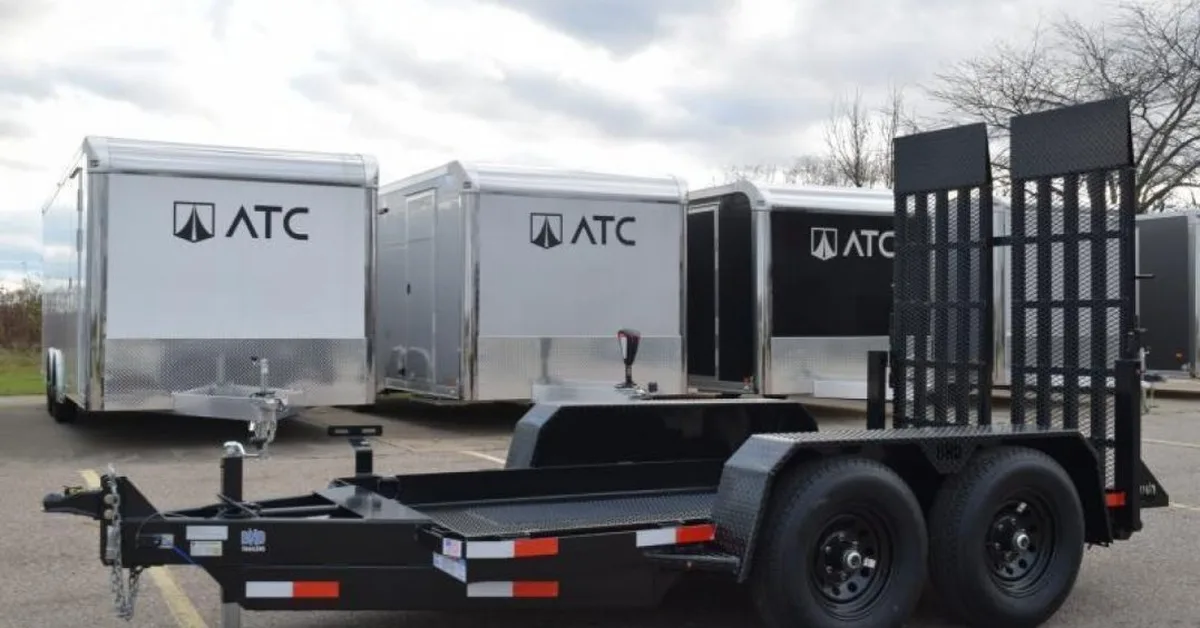
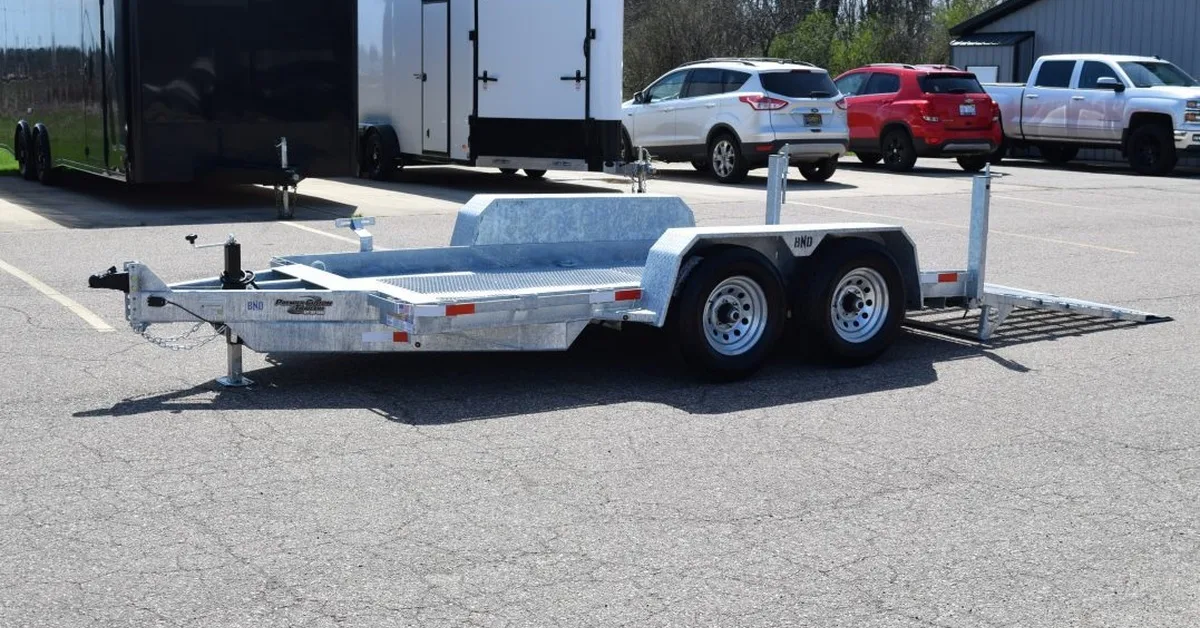
Safe hauling begins with selecting the right trailer for the job. Trailer capacity, deck configuration, ramp strength, and tie-down placement all influence transport safety. A properly matched trailer simplifies the securement process and improves overall performance.
For specialized equipment applications, choosing purpose-built trailers can make a significant difference. A scissor lift transport trailer provides reinforced loading features and strategically placed tie-down points designed to support secure transportation. Matching equipment with the correct trailer can improve efficiency while reducing loading challenges.
Why Proper Tie-Down Practices Matter
Proper tie-down procedures protect more than just equipment. They safeguard drivers, other motorists, and valuable business assets during every trip. Consistent securement practices also reduce wear on machinery by limiting unnecessary movement and vibration.
Companies that prioritize transport safety often experience fewer equipment-related delays and lower maintenance costs. Establishing a repeatable securement process creates greater confidence for operators and fleet managers alike. Over time, these habits contribute to safer operations and improved productivity.
Partner With Premier Custom Trailers
Premier Custom Trailers remains committed to helping customers find dependable hauling solutions backed by decades of industry knowledge. Whether you need specialized equipment transport options, trailer customization, rentals, supplies, or repairs, our team can simplify the buying process. Contact Premier Custom Trailers today to explore trailer solutions built for safe and reliable heavy machinery transportation. For questions regarding trailer tie-down practices for heavy machinery, call (877) 327-0888 and a member of our support team can help you.