
Scissor lifts are indispensable tools for navigating elevated tasks in industries like construction, warehousing, and maintenance. However, transporting these machines to job sites requires careful planning, especially when loading them onto trailers. Loading a scissor lift might seem straightforward, but improper loading can lead to accidents, equipment damage, or road hazards.
We’ll provide the ultimate guide to loading a scissor lift onto a trailer. Plus, we’ll showcase how Premier Custom Trailers can provide tailored solutions for secure and reliable equipment transportation.
Choosing the Right Trailer
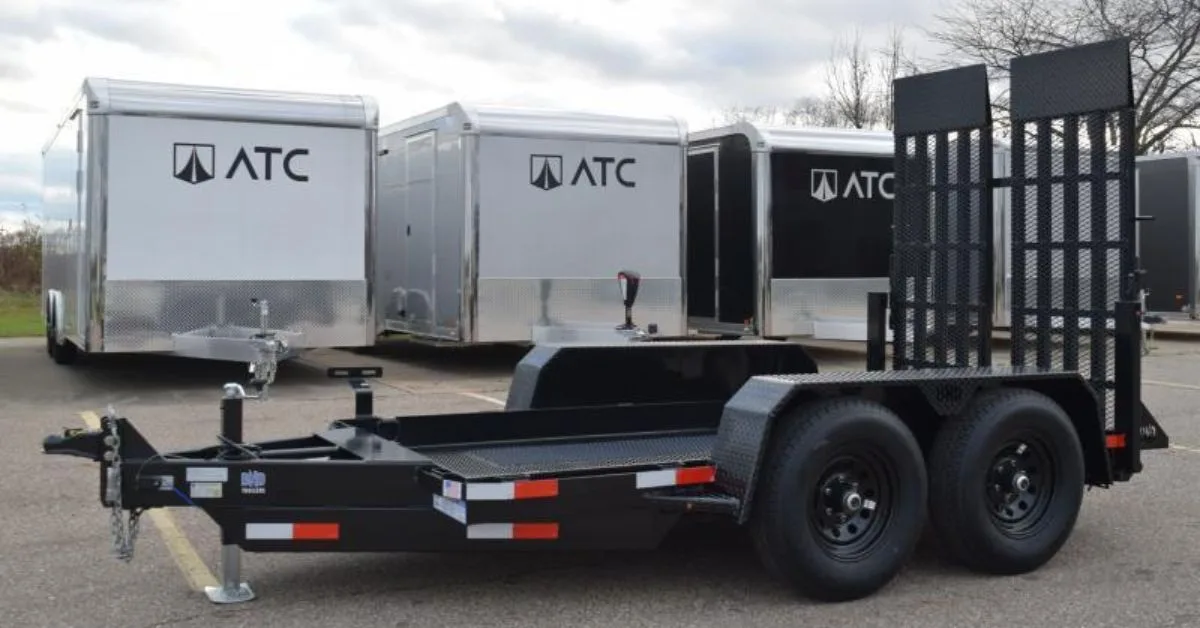
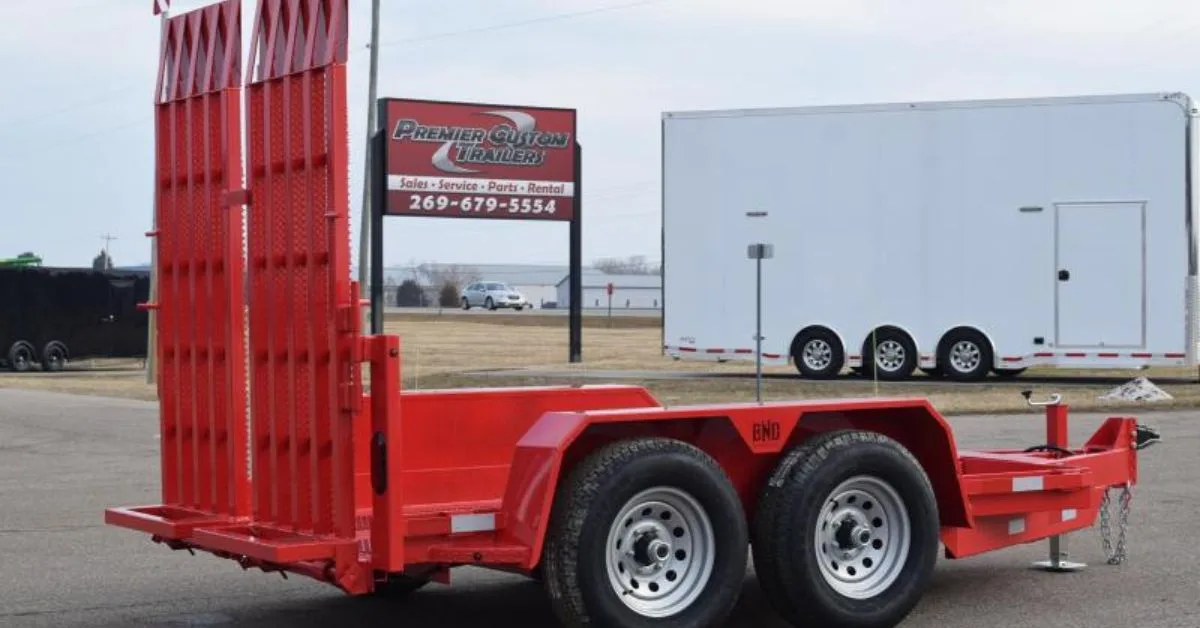
Not all trailers are created equal, and when it comes to transporting scissor lifts, certain types are better suited for the job. Equipment trailers that are specifically designed for heavy-duty machinery offer the stability and durability necessary to handle these hefty vehicles. Ideal options include tilt trailers, utility trailers, or flatbed trailers with reinforced ramps.
Key Factors To Consider
When selecting a trailer, keep these essential factors in mind:
- Weight capacity: Ensure the trailer can handle the weight of your scissor lift and any additional equipment. Overloading a trailer can compromise safety and lead to significant damage over time.
- Deck size: Choose a trailer with a deck large enough to fit your scissor lift comfortably. A tight squeeze can make loading and unloading riskier.
- Ramp options: Reinforced ramps with appropriate weight ratings and gentle inclines make loading safer and more manageable.
At Premier Custom Trailers, we offer customizable options to accommodate all your needs. From robust tie-down points to reinforced ramps, our range ensures ease and security in the transportation of scissor lifts.
Pre-Loading Checklist
Preparation is key to loading a scissor lift safely. Before you begin, take a moment to inspect and prepare both the lift and the trailer.
Inspect the Scissor Lift
- Tires: Check for any wear, damage, or deflation that could impede mobility.
- Battery: Confirm it’s fully charged to avoid stalling mid-operation.
- Controls: Test all controls to ensure smooth and reliable functionality.
Inspect the Trailer
- Lights and brakes: Make sure the trailer’s lights and brake system are working properly for a safe trip.
- Ramps: Verify that the ramps are secure, free of structural damage, and capable of handling the weight.
- Tie-down points: Confirm the availability of sturdy tie-down points for securing the lift.
Clear the Loading Area
Position your trailer carefully on a level, clear surface to ensure stability. Loading on uneven ground or near obstacles can increase the risk of tilting or accidents.
Step-by-Step Loading Procedure
Loading a scissor lift onto a trailer requires careful planning and attention to detail to ensure the equipment is transported securely and safely. By following a step-by-step approach, you can minimize risks and ensure the lift is properly loaded and ready for transport. The procedure outlined below will guide you through the process.
Step 1: Position the Trailer
Park the trailer on firm, level ground to ensure stability and safety during the operation. Make sure there is sufficient clearance around the trailer to maneuver the scissor lift without any obstructions. Once the trailer is in position, engage its brakes or place wheel chocks to securely prevent any unintended movement.
Step 2: Drive the Scissor Lift Onto the Trailer
Before ascending the ramp, make sure to lower the platform of the scissor lift completely to ensure stability. Drive up the ramp slowly and steadily to maintain proper balance throughout the process. This careful approach will help ensure safe and controlled loading of the scissor lift.
Step 3: Use Spotters and Communication
Ensure you have a spotter to assist you throughout the process to ensure safety and precision. Using clear hand signals or a two-way radio can help maintain smooth and effective communication between you and your spotter. This will make it much easier to maneuver the lift onto the trailer without any issues.
Securing the Scissor Lift
Once the lift is on the trailer, securing it properly is crucial. A stable load minimizes the risk of tipping or shifting during transit.
Proper Tie-Down Techniques
- Use heavy-duty ratchet straps or chains to secure the lift. Attach them to designated tie-down points on the trailer and the lift.
- Utilize wheel chocks to prevent the lift from rolling while in transit.
Balance and Weight Distribution
Distribute the weight evenly across the trailer to ensure stability and safe towing. Uneven weight distribution can negatively impact your towing vehicle’s handling, making it harder to control. This imbalance can also increase the risk of hazardous situations, such as swaying or jackknifing on the road.
Double-Check Everything
Before hitting the road, take the time to inspect all connections, straps, and chocks thoroughly. Make sure that nothing is loose, improperly fastened, or at risk of shifting during transit. This extra step ensures a safer and more secure journey for both you and your cargo.
Post-Loading Check
Safety doesn’t stop once the lift is secured. Now is the time to ensure your entire setup is road-ready.
Verify Lights and Brakes
Turn on the trailer’s lights to ensure they are working properly. Then, test the brakes to confirm everything is functioning correctly and safely.
Confirm Load Security
Walk around the trailer to double-check every tie-down point and strap. Give the load a gentle tug to ensure everything holds firm.
Plan Your Route
Before heading out, take the time to review your travel route for any potential obstacles. Be aware of low bridges or height restrictions that may create challenges for the loaded lift.
Premier Custom Trailers: Your Partner in Equipment Transportation
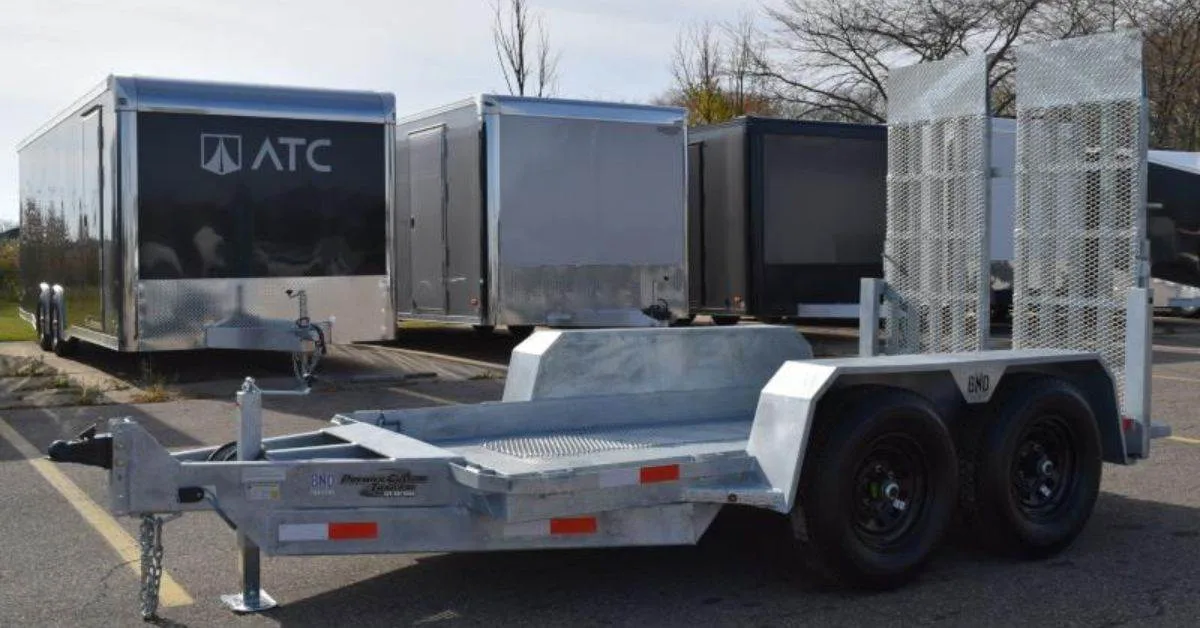
At Premier Custom Trailers, we pride ourselves on being more than just a trailer dealer. We specialize in creating tailored solutions for safe and efficient equipment transportation. Whether you need a compact scissor lift trailer or a larger model to handle heavy-duty operations, we’ve got you covered.
Why Choose Premier Custom Trailers?
- Customization: We can modify trailers to include features like reinforced ramps, built-in tie-down points, and weather-resistant coatings.
- Expertise: Our team has years of experience crafting trailers designed specifically for scissor lifts and other heavy equipment.
- Reliability: Built with high-quality materials, our trailers are durable and safe, giving you peace of mind during every trip.
Explore our full range of scissor lift trailers today and find the perfect solution for your needs. Designed for durability and ease of use, our trailers are built to handle a wide range of jobs.
Safety First, Every Time
Properly loading and transporting your scissor lift isn’t just about convenience; it’s about protecting people, equipment, and the road. By following this guide to loading a scissor lift onto a trailer and using the right tools, you can ensure safe and efficient transportation every time.
When it comes to scissor lift trailers, Premier Custom Trailers has your back. Contact us today to explore your options and make equipment transportation stress-free!