
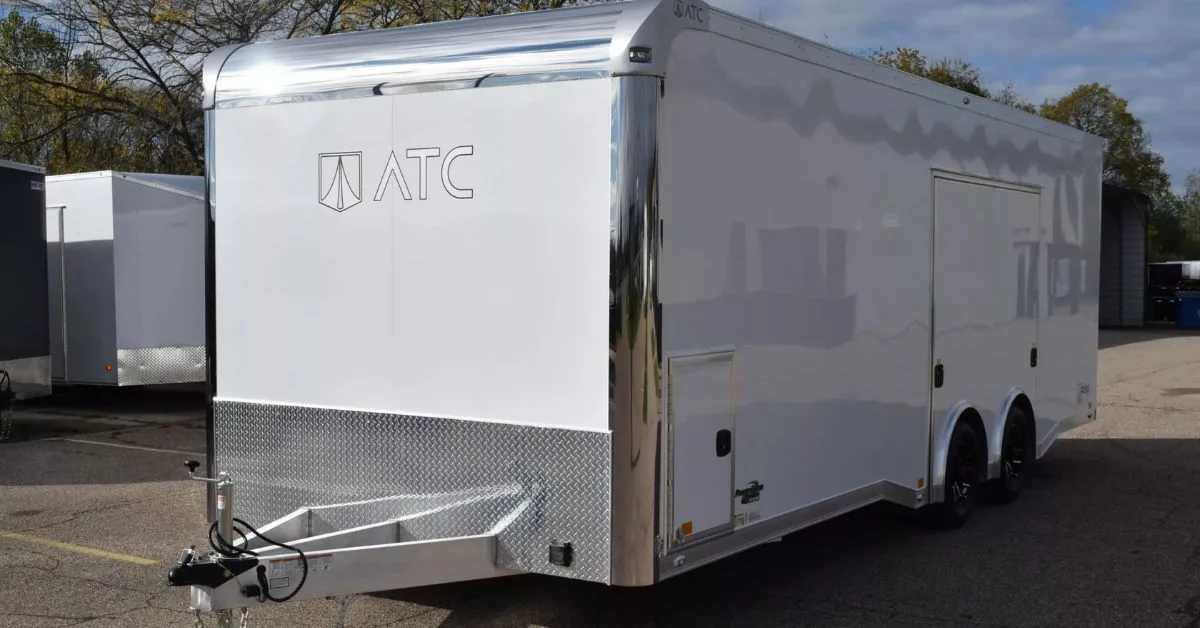
Hitting the road for a long-distance race is an exhilarating experience. Your focus should be on the competition, not on whether your hauler will make it to the destination. Preparing your race hauler for a long journey is a critical step that ensures the safety of your valuable race car, your crew, and yourself.
A well-prepared hauler provides peace of mind, allowing you to arrive at the track ready to perform at your best. This preparation requires a detailed inspection and thoughtful packing to handle any situation you might encounter on the road. Ready to hit the road? Take a look at how to prepare your race hauler for long-distance travel before you go.
Check and Service Your Hauler’s Brakes
Your hauler’s braking system is arguably its most important safety feature, especially when you are carrying a heavy load over long distances. Begin by visually inspecting the brake pads and rotors for signs of wear. If the pads are thin or the rotors show deep grooves, it’s time for a replacement.
Test the brakes in a safe, open area to feel for any unusual sensations, such as sponginess, grinding, or pulling to one side. These can indicate issues with the brake fluid or calipers. Also, verify that your trailer brake controller is functioning correctly and properly calibrated to your hauler’s weight. A properly functioning brake system gives you the control you need to navigate unexpected traffic or road hazards safely.
Inspect All Tires for Wear and Proper Inflation
Your hauler’s tires bear the entire weight of your operation, making their condition vital for a successful trip. Before each long journey, inspect every tire, including spares, for signs of damage like cracks, bulges, or punctures. Use a tire tread depth gauge to ensure you have enough tread for the journey; inadequate tread significantly reduces traction, especially in wet conditions.
Check the tire pressure when the tires are cold and inflate them to the manufacturer’s recommended PSI. Underinflated tires generate excess heat, increasing the risk of a blowout, while overinflated tires can lead to a harsh ride and uneven wear.
Test All Exterior and Interior Lights
Properly functioning lights are integral for safety and legal compliance. Walk around your hauler and test all exterior lights, including headlights, taillights, brake lights, and turn signals. Ask a helper to confirm that your brake lights and signals are working as you activate them from the driver’s seat.
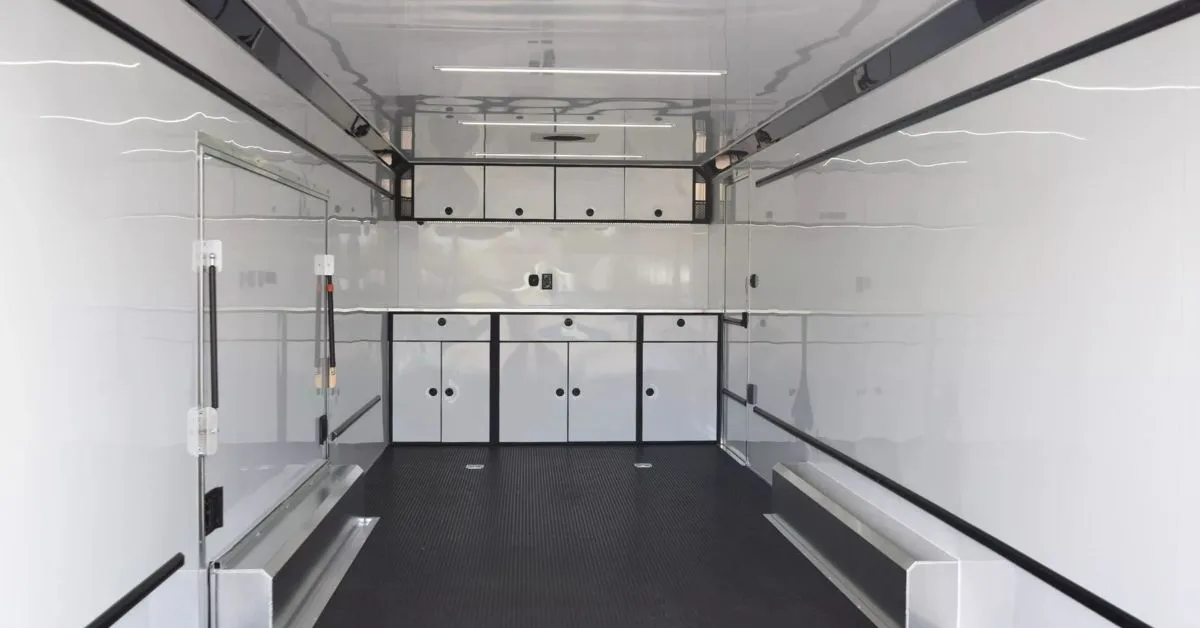
Don’t forget to check the clearance and marker lights, which are crucial for visibility during night travel. Inside the hauler, make sure all interior lights are operational. Good lighting inside your workspace will be invaluable when you need to find tools or work on your vehicle, particularly after dark.
Examine the Suspension and Axles
The suspension and axles support your hauler’s entire load and absorb the bumps of the road. A failure in this system can be catastrophic. Get underneath your hauler and visually inspect the leaf springs, shocks, and axles for any signs of cracking, bending, or excessive rust. Check for loose or missing U-bolts and confirm all fittings are tight.
If your hauler has been sitting for an extended period, pay close attention to any components that may have seized up. A well-maintained suspension ensures a stable ride, protecting your race car and equipment from damage caused by road vibrations.
Verify the Hitch and Coupling Are Secure
Your connection to the trailer is the single most critical link in your setup. Before you hitch up, inspect the coupler and hitch ball for any signs of wear, cracks, or deformation. When you connect the trailer, make sure the coupler latches securely onto the ball and that the safety pin is in place.
Connect your safety chains in a crisscross pattern underneath the coupler, leaving just enough slack to turn. Finally, test the connection by pulling forward slowly and gently applying the brakes to verify everything is secure. A solid connection prevents dangerous trailer sway and potential detachment.
Pack an Emergency Roadside Kit
Roadside emergencies can and do happen even with meticulous preparation. Being prepared with the right tools and supplies can turn a major crisis into a manageable inconvenience. Your emergency kit should be easily accessible and contain essential items for common roadside issues.
Your kit should include:
- A fully inflated spare tire and a jack capable of lifting your loaded hauler
- A lug wrench and a torque wrench for changing tires
- A portable air compressor to adjust tire pressure
- Reflective safety triangles or flares to alert other drivers
- A comprehensive first-aid kit
- Extra fluids, including coolant and oil
- A basic toolkit with wrenches, screwdrivers, and pliers
Organize Tools and Spare Parts Methodically
An organized hauler is an efficient hauler. Before you leave, take the time to organize all your tools, spare parts, and equipment. Use cabinets, drawers, and toolboxes to keep everything in its place. This will make it easier to find what you need quickly and prevent items from shifting and causing damage during transit.
Group similar items together and label containers clearly. A well-organized workspace reduces stress and saves valuable time at the track, allowing you to focus on racing instead of searching for a missing socket. Proper organization is a hallmark of professional race haulers.
Plan Your Route and Stops in Advance
Long-distance travel requires more than just a destination in your GPS. Plan your route carefully, considering potential road construction, weigh station requirements, and trailer-friendly fuel stops.
Identify safe, well-lit locations for overnight stops if your journey spans multiple days. Knowing your route helps you anticipate challenges and manage your time effectively. Sharing your travel plan with your crew ensures everyone is on the same page and can assist if any issues arise.
Your Journey to the Checkered Flag
Preparing your race hauler for long-distance travel is an investment in your safety, your equipment, and your racing success. By following these steps, you can confidently hit the road knowing you are ready for whatever lies ahead. A well-maintained hauler is a reliable partner on your journey, allowing you to arrive at the track focused, calm, and ready to compete. The only thing left to think about is winning the race.