
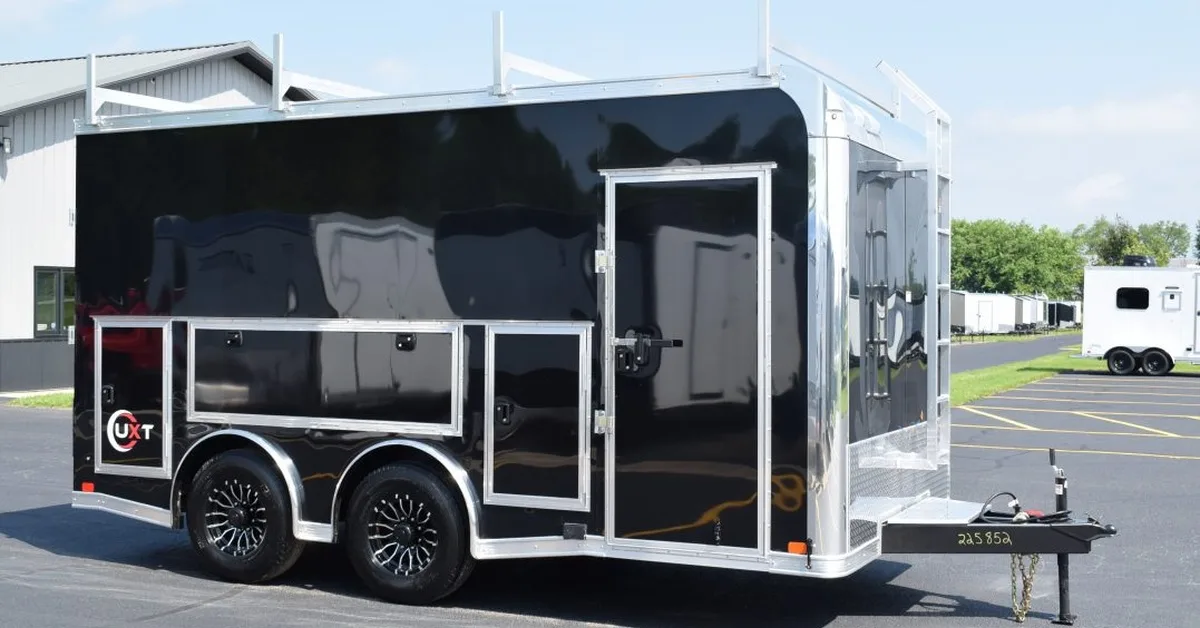
A well-organized contractor trailer does a whole lot more than carry tools from one job to another. The right storage features help crews find equipment quickly, protect valuable supplies, and make better use of every available inch. Contractors who plan their trailer around their daily workflow can spend less time searching for gear and more time completing the work that generates revenue. Thoughtful storage also creates a cleaner, more professional setup that supports busy crews across demanding jobsites. Premier Custom Trailers sees these five must-have storage features in contractor trailers prove themselves time and time again.
Heavy-Duty Shelving That Maximizes Vertical Space
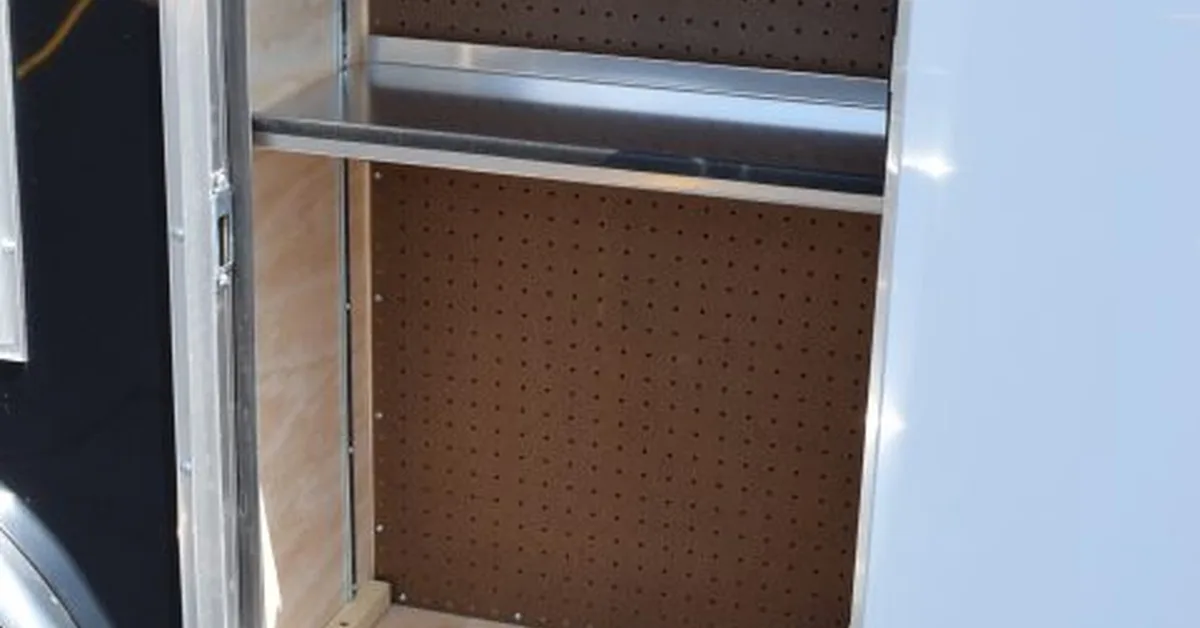
Wall-mounted shelving gives contractors one of the easiest ways to increase storage capacity without sacrificing valuable floor space. Strong shelves can hold tool cases, boxes, containers, spare parts, and other equipment that would otherwise clutter the floor. Contractors should choose shelf dimensions according to the equipment they regularly carry instead of relying on a generic arrangement. A carefully planned shelf system also leaves enough room for workers to move safely through the trailer.
Vertical storage becomes especially valuable when contractors need to transport a large collection of tools in a relatively compact trailer. Shelves can extend upward while keeping frequently used equipment at comfortable reaching heights and less common supplies above them. Dividers, lips, and bins can keep equipment from shifting as the trailer travels between jobsites. Contractors can also group similar items together so that every worker knows exactly where each piece of equipment belongs.
Drawer Systems for Small Tools and Hardware
Small items can create some of the biggest organization problems inside a contractor trailer. Screws, drill bits, electrical connectors, fasteners, blades, fittings, and other components quickly become difficult to manage without dedicated storage. Drawer systems give each category a consistent location and make inventory checks much easier. Workers can grab the exact item they need without digging through boxes or mixing unrelated hardware together.
Shallow drawers work particularly well for smaller components because workers can see their contents without stacking several layers of supplies. Deeper drawers can accommodate hand tools, testing equipment, protective gear, and compact power tools. Labels can further simplify the system when multiple employees share the same trailer. A consistent labeling approach also helps new team members understand the organization system without relying on another worker for directions.
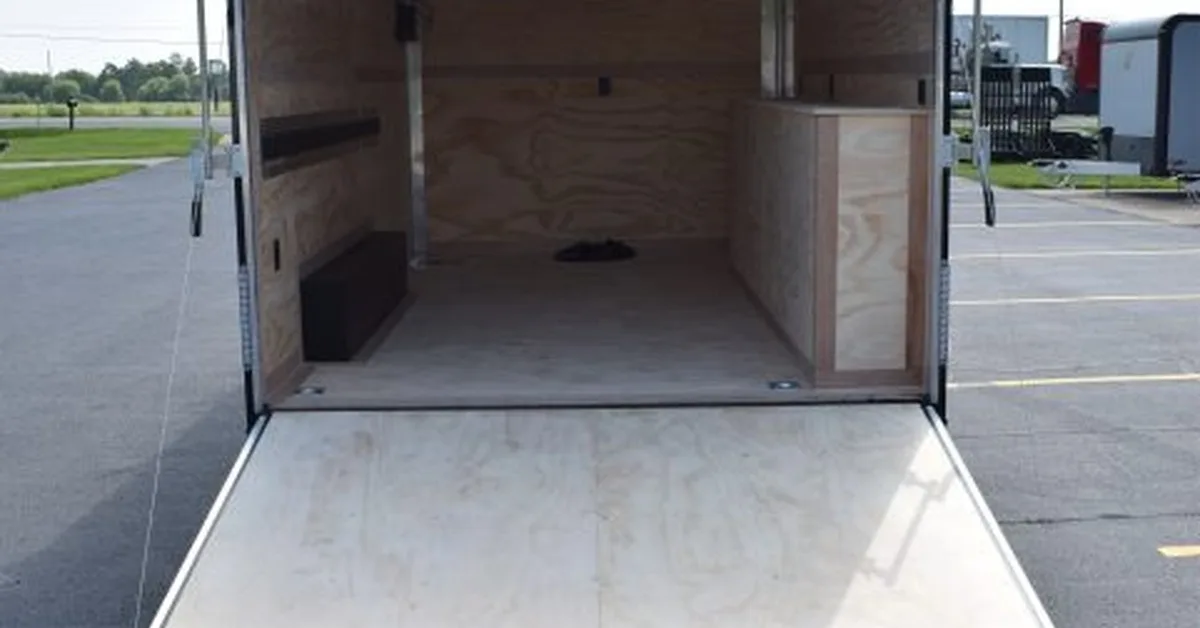
Wall-Mounted Racks and Holders for Long Equipment
Some contractor equipment simply doesn’t fit conveniently inside cabinets or standard shelving. Levels, extension cords, hoses, ladders, conduit, long-handled tools, and similar items can consume significant floor space without a dedicated storage plan. Wall-mounted racks and holders can secure these awkward items while leaving the center aisle open. Contractors can also use doors and other appropriate surfaces when the trailer configuration provides enough clearance.
A practical wall-storage system should keep equipment secure during transit and easy to remove at the jobsite. Contractors should avoid layouts that require workers to unload several tools before reaching the one they need. Frequently used items should occupy accessible positions, while specialty equipment can use higher or less prominent areas. Every rack should also support the size and weight of the equipment that contractors intend to carry.
Common wall-storage options can include:
- Cord and hose racks for clean, controlled storage
- Holders for shovels, brooms, and long-handled tools
- Dedicated brackets for levels and straightedges
- Compartments for conduit, trim, or narrow materials
- Hooks for safety gear and frequently used accessories
- Ladder storage that keeps bulky equipment out of the main aisle
Contractors should review the complete wall layout before adding individual racks one at a time. Random additions can eventually create an awkward arrangement that wastes space or makes certain tools difficult to reach. A complete storage plan lets the contractor assign each wall section a purpose and maintain a logical workflow. This approach works especially well for contractor tool trailers that need to support several trades, employees, or types of equipment.
Workbenches With Integrated Storage
A workbench can transform a contractor trailer from simple transportation equipment into a more useful mobile work area. Crews can use a sturdy work surface for preparing parts, organizing materials, checking equipment, or handling paperwork away from the elements. Contractors can maximize that footprint by adding drawers, cabinets, or shelving underneath the bench. This combination creates a practical workspace and valuable storage within the same section of the trailer.
The ideal workbench height and depth depend on the tasks that workers expect to perform inside the trailer. A bench that extends too far into the aisle can restrict movement, while one that lacks enough depth may provide little practical value. Contractors should also consider lighting, electrical access, and nearby storage when choosing the location. Keeping related tools and supplies close to the work surface can reduce unnecessary movement throughout the day.
Custom Storage That Matches the Contractor’s Workflow
Standard storage components can solve many organization problems, but some contractors need a layout that fits a very specific operation. A custom trailer gives buyers an opportunity to think about how tools move from storage to the jobsite and back again. Contractors can plan cabinet sizes, shelf positions, work surfaces, equipment locations, and access points around the way their crews actually work. That level of planning can make a significant difference when workers use the trailer every day.
The process should start with an inventory of the tools, materials, and large equipment that the trailer needs to carry. Contractors can then separate those items according to size, weight, frequency of use, and the tasks they support. This exercise often reveals which equipment needs immediate access, and which supplies can occupy less convenient storage areas. It can also identify wasted space that a more thoughtful layout could put to work.
Build a Contractor Trailer Around the Way You Work
Premier Custom Trailers brings more than four decades of combined industry experience to customers who need practical trailer solutions for specialized applications. As a family-owned trailer dealer, the team works with customers to make trailer shopping and customization easier to understand while helping them plan the right setup for their needs. Premier Custom Trailers offers custom trailers along with trailer supplies, rentals, and repairs for customers with a wide range of professional and recreational requirements. Contact Premier Custom Trailers to discuss your contractor trailer needs and start planning a layout with some of these must-have storage features.