
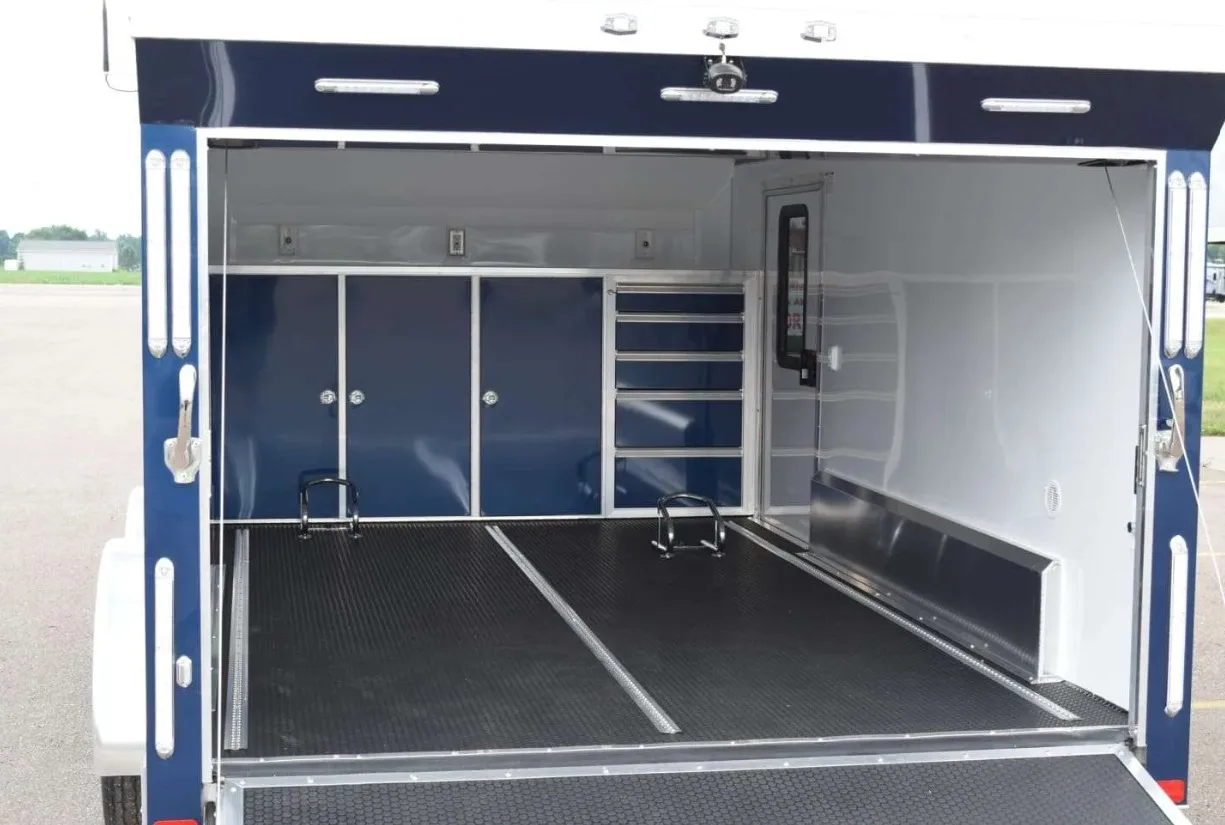
A custom trailer needs more than the right dimensions and a useful floor plan to deliver dependable performance over time. Every material choice can affect weight, strength, maintenance requirements, appearance, and how well the trailer handles its intended workload. Buyers who understand these differences can make more informed decisions instead of selecting features based on appearance or price alone. A thoughtful material strategy can also create a trailer that supports daily work, frequent travel, valuable cargo, or specialized equipment for years to come.
Choosing materials requires you to look at the complete trailer rather than focusing on one component at a time. The frame, exterior, flooring, walls, roof, cabinetry, and hardware all contribute to the finished trailer’s performance. Your ideal combination will depend on what you haul, where you travel, how often you use the trailer, and which features matter most to your operation. Premier Custom Trailers created this custom trailer material selection guide so that you take home something made to last.
Start With the Trailer’s Intended Application
Material selection should always begin with a clear understanding of how you plan to use the trailer. A race team hauling vehicles and equipment has different priorities than a contractor who needs mobile tool storage or a telecommunications crew that needs a specialized workspace. Cargo weight, road conditions, travel frequency, climate, and interior activity can all influence which materials make sense. Defining these requirements early gives every later design decision a clear purpose.
Consider your current workload and the demands you expect the trailer to handle in the future. Adding equipment, carrying more tools, or traveling longer distances can change what you need from the structure and interior. A material that works well for occasional recreational use may not provide the best fit for demanding professional operations. Planning around real operating conditions helps you invest in features that contribute meaningful value instead of unnecessary complexity.
Choose Exterior Materials for Protection and Appearance
Exterior materials create the first line of protection between your cargo and changing road conditions. Quality exterior panels should complement the trailer’s underlying structure while providing a clean, professional appearance. Frequent travelers may also place greater importance on materials that simplify cleaning and routine maintenance after long trips. Color, finish, panel configuration, and trim can then create the visual style that suits a business or personal application.
Buyers should think beyond showroom appearance when evaluating exterior options. Road debris, rain, sunlight, temperature changes, and regular washing can put exterior surfaces through demanding conditions over time. Ask how different panel and trim choices fit your expected travel schedule and maintenance routine before settling on a final specification. That conversation can help you balance appearance with the practical needs of a trailer that may spend thousands of miles on the road.
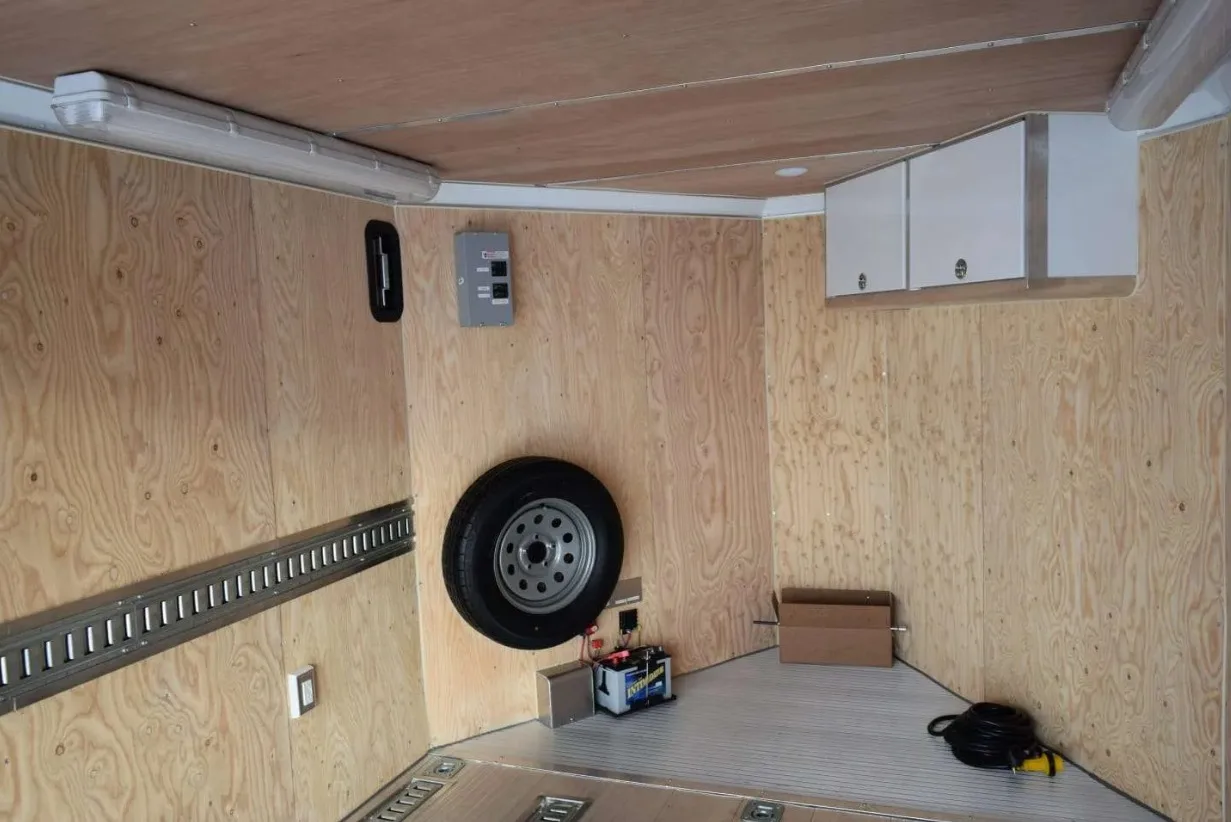
Select Flooring Around Weight and Daily Wear
Trailer flooring must support cargo while standing up to foot traffic, rolling equipment, tools, and routine loading activity. The right choice depends heavily on whether you plan to haul vehicles, machinery, supplies, recreational equipment, or a combination of different loads. Surface texture and ease of cleaning also matter when the interior serves as a working space rather than simple cargo storage. A well-planned floor can make everyday loading, unloading, maintenance, and organization noticeably easier.
When comparing flooring options, consider the following factors before focusing on appearance alone:
- Expected cargo and equipment weight
- Frequency of loading and unloading
- Exposure to dirt, moisture, oil, or chemicals
- Desired traction for people and rolling equipment
- Cleaning and maintenance requirements
- Interior appearance and finish preferences
- Compatibility with tie-downs and other installed equipment
Plan Interior Walls and Ceilings for the Working Environment
Interior wall and ceiling materials affect far more than the way a finished trailer looks. They can influence durability, cleaning requirements, fixture installation, lighting, storage configuration, and the overall feel of the workspace. A simple cargo interior may need straightforward surfaces that tolerate regular use, while a living area or mobile office may call for a more refined finish. Specialized work trailers can require yet another approach based on the equipment and tasks that crews perform inside.
Think about what will contact the walls during normal operation and where you expect to install cabinets, shelving, workstations, or accessories. A busy work trailer can experience bumps from cases, tools, equipment, and supplies that would rarely occur inside a recreational trailer. Material and layout choices should support these real conditions while keeping the interior functional and easy to maintain. Planning these surfaces alongside storage and equipment placement also creates a more cohesive finished design.
Consider Climate, Corrosion, and Maintenance Needs
The environments where you store and operate a trailer should influence material decisions from the beginning. Moisture, road grime, temperature swings, sun exposure, and winter driving conditions can create different maintenance challenges for exterior and structural components. Buyers who travel nationally may encounter a much broader range of environments than owners who keep their trailers close to home. Selecting appropriate materials, finishes, and maintenance practices can protect the trailer through those changing conditions.
Maintenance expectations should also fit the amount of time and effort you realistically want to invest. Some finishes may need different cleaning or inspection routines, while certain high-wear areas may require more frequent attention because of how you use the trailer. Ask about recommended care for structural components, exterior surfaces, flooring, seals, hardware, and other materials before finalizing a build. Understanding such responsibilities early makes it easier to maintain the trailer consistently after purchase.
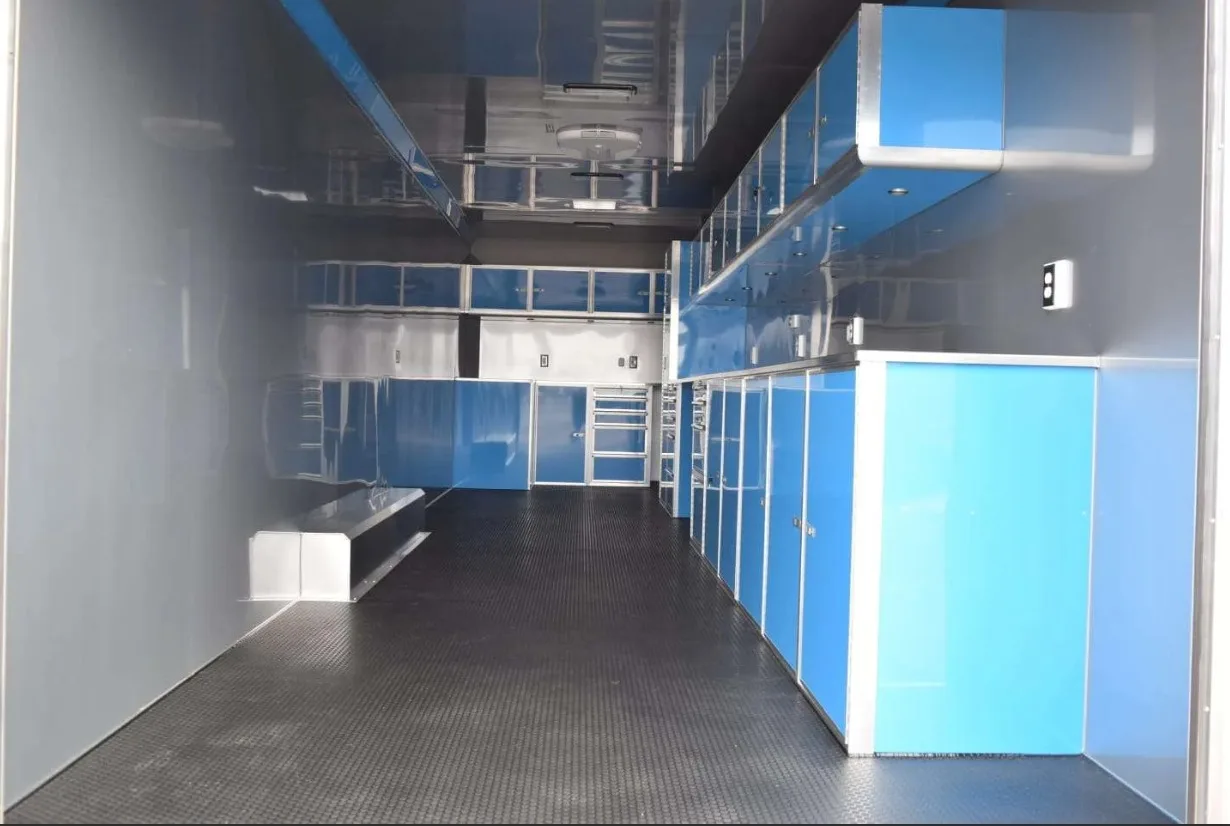
Create a Custom Trailer That Fits the Job
Premier Custom Trailers helps customers plan purpose-built trailers for professional, recreational, automotive, contractor, and specialized applications. The team works with buyers to understand how they plan to use their trailers and which features can best support those requirements. A collaborative approach gives customers an opportunity to consider materials, layouts, storage, equipment, and other details as parts of one complete design. For buyers exploring customized trailers, thoughtful planning can turn a general idea into a solution that fits the work they need to accomplish.
The best custom trailer doesn’t simply include the longest list of upgrades or the most expensive materials. It combines carefully selected components with a layout and feature package that supports the owner’s priorities from the first trip onward. Premier Custom Trailers brings decades of combined industry experience to the process and helps customers navigate their options without making trailer shopping unnecessarily complicated. For a unit made to last, use our custom trailer material selection guide and reach out to our team to begin crafting yours.