
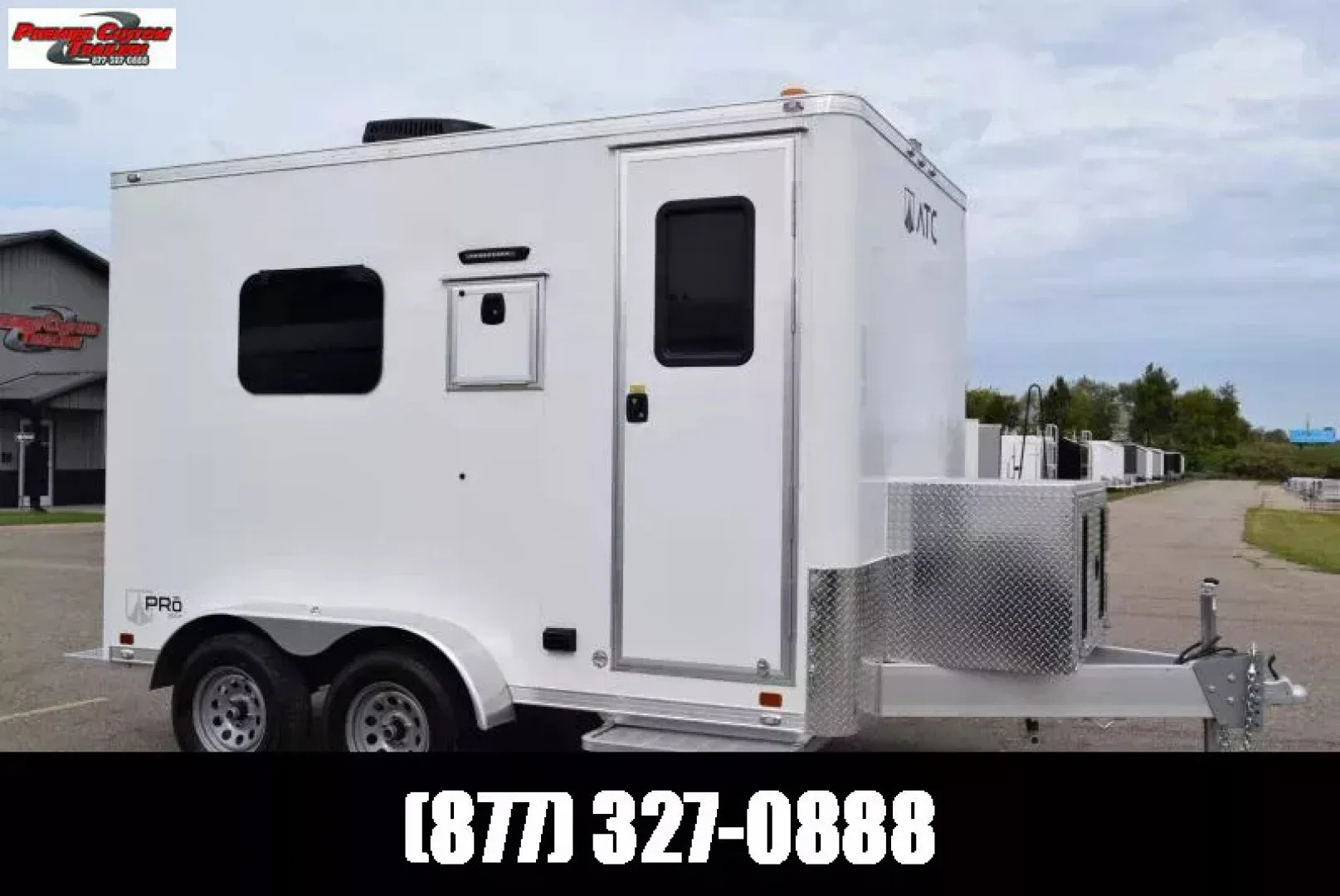
Fiber optic technicians need a stable workspace because small environmental changes can make detailed fieldwork more difficult. Heat, cold, humidity, poor lighting, and unreliable electrical power can disrupt a crew when precision matters most. A properly planned mobile splicing workspace combines climate control with dependable generator power so that technicians can focus on the task instead of the conditions around them. Understanding how these systems work together can help buyers choose a setup that supports productivity across changing jobsites and seasons.
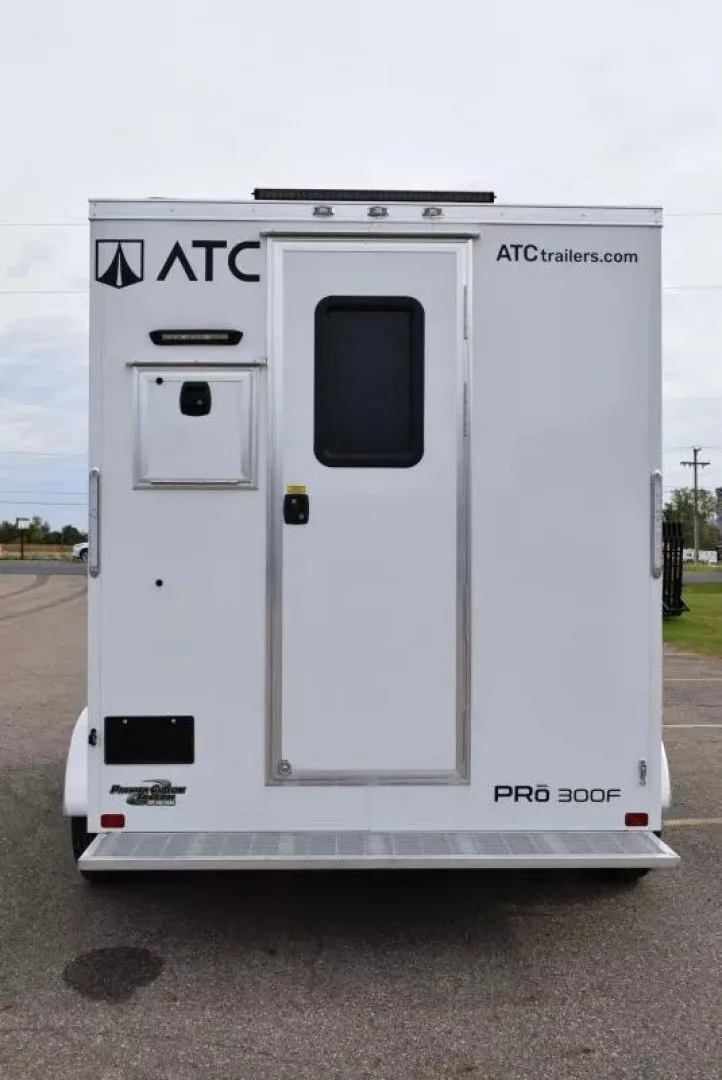
Premier Custom Trailers works with customers who need purpose-built mobile workspaces for demanding telecommunications operations. Our ATC fiber optic splicing trailers offer climate-controlled interiors, ergonomic work areas, dual-layered cable access, flexible storage, and a 4.5K generator package. These features create a strong starting point, but buyers should still consider crew size, equipment needs, climate, and typical operating hours before choosing a configuration. Below, we’re exploring HVAC and generator power for fiber optic vans.
Why Climate Control Matters for Fiber Optic Work
Fiber splicing requires technicians to handle small components, precision tools, and sensitive equipment inside a controlled work area. Extreme temperatures can make technicians uncomfortable, reduce concentration, and complicate long work sessions inside a mobile workspace. Dust, moisture, and changing outdoor conditions can also create unnecessary challenges when crews need a clean and consistent environment. An effective HVAC system gives the crew greater control over interior conditions while creating a more practical workspace throughout the year.
Climate control also supports a predictable routine when crews move between jobsites with very different weather conditions. A technician working through a Michigan winter faces different environmental demands than a crew completing a project during summer heat in another region. Heating and cooling allow the same mobile workspace to serve both situations without forcing technicians to improvise around outdoor temperatures. That flexibility matters for contractors and telecommunications teams that travel across large service territories.
Matching Generator Capacity to HVAC Demand
Generator sizing should account for the HVAC system and the rest of the electrical equipment that technicians rely on throughout the day. An undersized system can force crews to choose which devices they operate, while a thoughtfully matched system gives them more freedom to work efficiently. Premier Custom Trailers offers ATC splicing packages with a 4.5K generator, giving customers a defined power foundation for a purpose-built mobile workspace. The final configuration should still reflect the equipment package and operating demands that the customer plans to bring into the unit.
More generator capacity does not automatically make a configuration better because the entire system should match the application. Buyers need to consider expected electrical demand, available space, fuel needs, operating patterns, and the way the crew uses the workspace. A fiber trailer that supports a compact field team may have different requirements from a larger unit that carries additional tools, electronics, or workspace features. Matching capacity to actual use helps buyers invest in practical capability rather than choosing specifications without a clear operational reason.
Planning HVAC Performance for Changing Weather
A mobile workspace can experience significant temperature swings because the exterior sits directly in the weather while technicians work inside for extended periods. Direct sun, freezing temperatures, repeated door openings, crew size, and heat from electrical equipment can all influence the interior environment. Buyers should consider where the unit will operate most often and whether projects regularly take crews into extreme seasonal conditions. This information can guide conversations about heating, cooling, insulation, airflow, and overall interior comfort.
HVAC performance also depends on how technicians use the workspace during a normal day. Frequent entry and exit can introduce outside air, while running electronics and multiple occupants can add heat inside the unit. Cable access and equipment placement can influence how the crew manages the interior without disrupting organized work zones. A well-planned layout supports the HVAC system by making it easier to maintain a comfortable environment while technicians continue their work.
Building a More Reliable Power Strategy
Reliable field power starts with planning for the full workday rather than focusing only on the generator’s headline rating. Crews need a system that supports their typical equipment combination and makes routine operation straightforward. Buyers should discuss how long the generator may run, what devices technicians use together, and which loads matter most during critical splicing tasks. These conversations help the trailer dealer and manufacturer align the electrical package with real field conditions.
A practical planning review should cover the following aspects:
- Calculate generator capacity for expected operating loads.
- Account for HVAC demand during heating or cooling cycles.
- Include lighting, computers, chargers, and test equipment.
- Plan outlet quantity and placement around workstations.
- Consider typical daily runtime and field conditions.
- Allow for future equipment that may increase electrical demand.
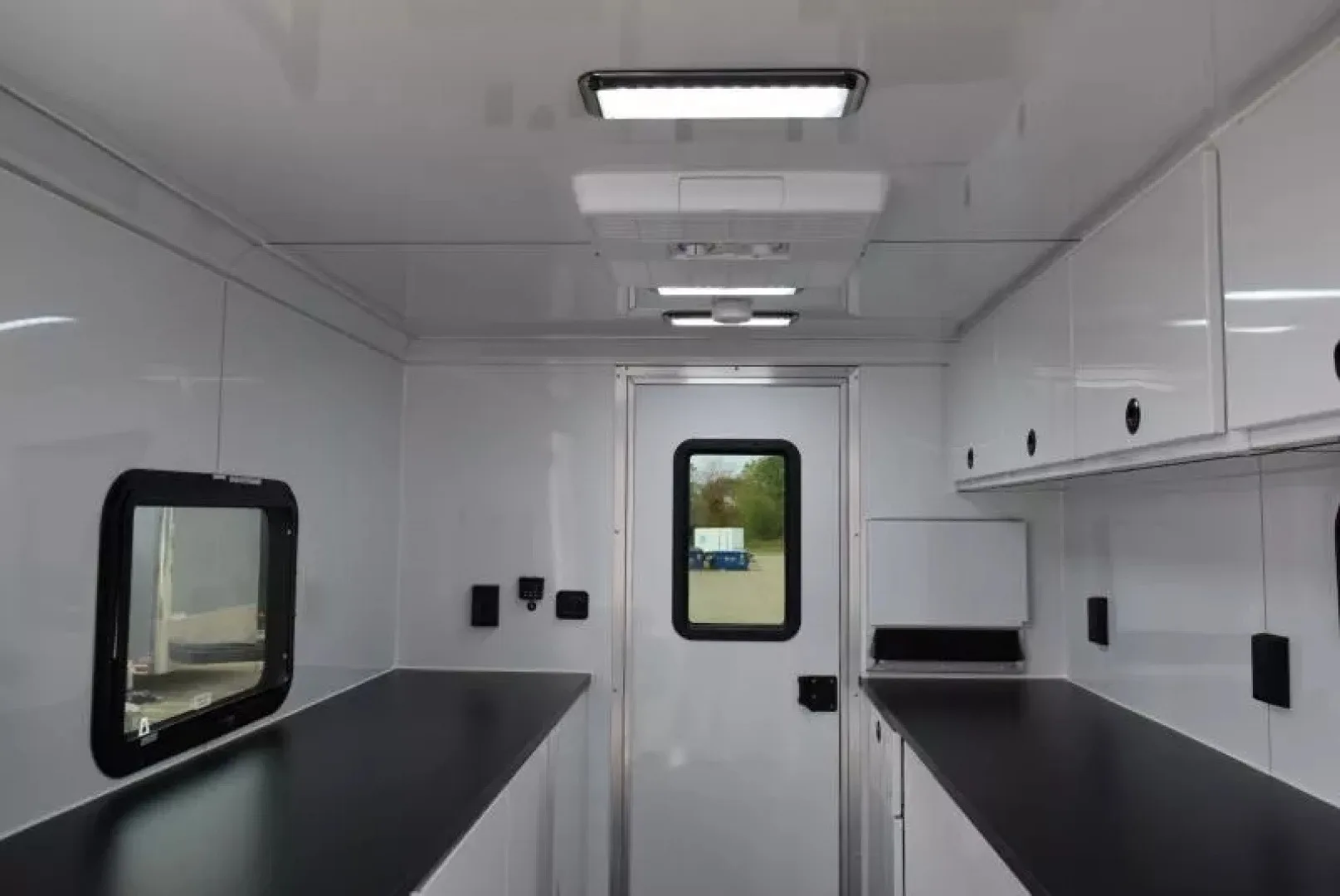
Such details give buyers a clearer picture of how the complete electrical system needs to function. They also prevent small design choices from becoming daily frustrations after the unit enters service. Convenient outlet placement, sensible equipment locations, and adequate capacity can improve workflow without adding unnecessary complexity. Premier Custom Trailers works closely with customers to identify these requirements and coordinate configurations that fit their intended application.
Considering Generator Operation and Routine Maintenance
A generator needs routine attention if crews expect dependable performance over repeated field assignments. Operators should follow the generator manufacturer’s service guidance and monitor the system according to the specified maintenance schedule. Oil, filters, fuel, connections, and other service items may require inspection or replacement based on the equipment and operating hours. Keeping accurate maintenance records can help teams stay ahead of routine service and reduce avoidable interruptions.
The HVAC system also deserves regular attention because airflow and equipment condition affect day-to-day comfort. Crews should keep vents and airflow paths clear, inspect accessible components, and follow the equipment manufacturer’s maintenance recommendations. Teams should address unusual noises, inconsistent temperatures, or electrical problems before those issues interfere with a job. A consistent maintenance routine protects the usefulness of the mobile workspace and helps crews arrive ready for field operations.
Plan a Fiber Optic Splicing Trailer Around Real Field Demands
Premier Custom Trailers offers specialized fiber optic splicing trailers for telecommunications teams that need practical, durable, and efficient mobile work environments. Our available ATC packages include climate-controlled workspace features, flexible storage, dual-layered cable access, and a 4.5K generator to support field operations. We can help you review your crew’s layout, power, storage, and operational requirements before you select a configuration. Contact Premier Custom Trailers today to discuss availability, pricing, and options for a fiber optic vans and splicing trailers built around your field needs.