
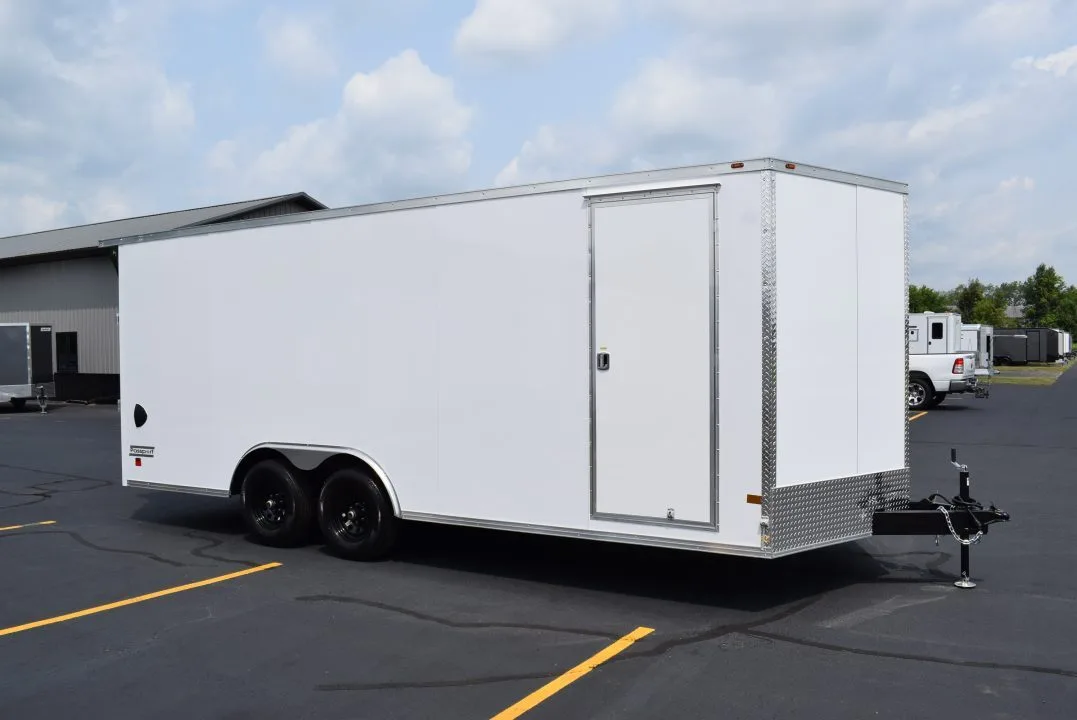
Heavy commercial cargo places serious demands on every part of a trailer, but the axle system carries much of the responsibility for supporting that load on the road. Choosing the right axle capacity requires more than estimating cargo weight and selecting the next available rating. Trailer weight, cargo distribution, suspension, tires, wheels, brakes, and intended operating conditions all influence the final configuration.
Understanding such factors helps commercial buyers choose a trailer that can handle demanding work without relying on guesswork. Premier Custom Trailers goes into greater detail about sizing trailer axles for heavy commercial cargo.
Understand Axle Capacity and GAWR
Axle capacity describes how much weight an axle design can support under its specified configuration, while Gross Axle Weight Rating, or GAWR, applies to the axle system as established for the vehicle. Buyers should not assume that a higher axle-beam rating automatically raises the safe capacity of the complete trailer. Tires, wheels, hubs, suspension components, brakes, and other running gear must work together within their respective ratings. The lowest-rated applicable component can limit how much weight the system can support.
This distinction matters especially when a business plans to carry heavy commercial equipment day after day. Two trailers can use similar-looking axles yet have different operating ratings because their running gear, dimensions, components, or overall designs differ. Dexter also notes that axle capacity can require derating when certain axle dimensions exceed recommended specifications. Buyers should therefore use the completed trailer’s manufacturer ratings and specifications rather than calculating capacity from an axle label alone.
Calculate Realistic Commercial Payload Requirements
Commercial buyers should size a trailer around real operating conditions rather than the lightest load the business expects to move. Start with the heaviest machine, vehicle, material load, or combination of equipment that will regularly enter the trailer. Then account for attachments, fuel, tools, spare parts, tie-down equipment, and permanent trailer options that add to the working weight. This process gives buyers a more realistic picture of the capacity they need from the complete trailer.
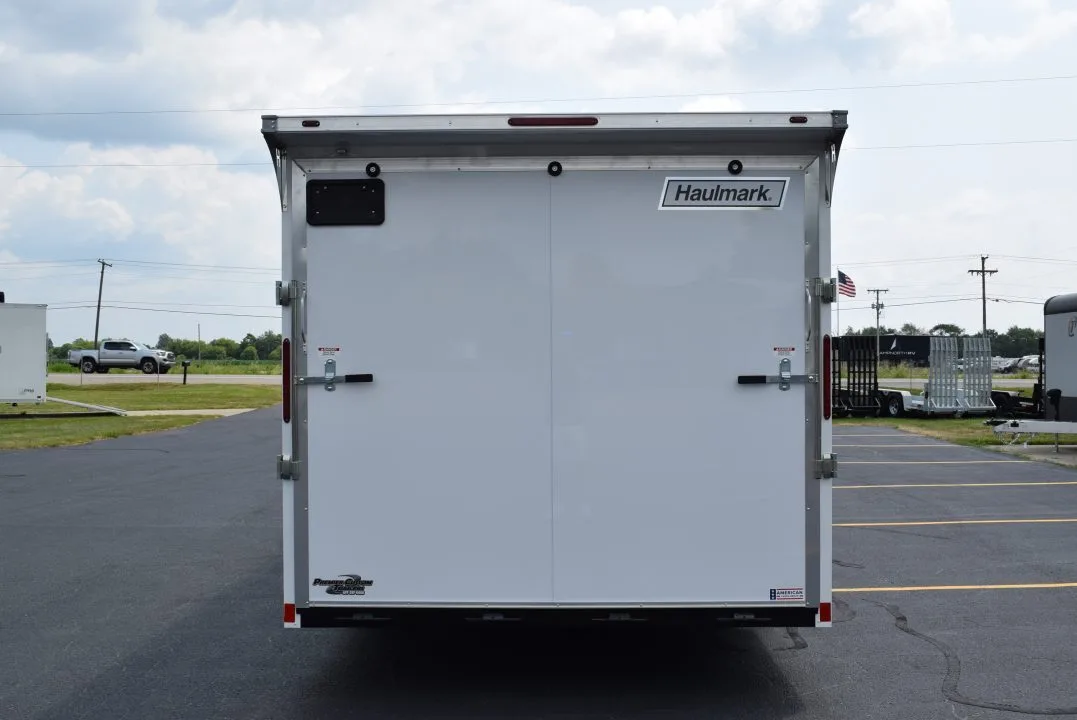
A practical pre-purchase weight review should account for the following loads:
- Empty trailer weight
- Primary cargo or equipment
- Attachments and accessories
- Tools and jobsite supplies
- Permanent cabinets or workstations
- Generators, winches, and electrical equipment
- Spare tires and service equipment
- Other routinely carried cargo
Account for Tongue Weight and Load Distribution
Not every pound of loaded trailer weight rests directly on the trailer axles because the hitch connection supports part of the load. Cargo placement changes that distribution, which means total weight alone cannot tell operators how much load each axle carries. Poor placement can create excessive load in one area even when the trailer remains under its overall maximum rating. Operators must consider total loaded weight and how the load distributes across the trailer.
Equipment with concentrated weight can make this issue particularly important for commercial applications. A machine may place much of its mass over a relatively small footprint, and moving it forward or backward can significantly change hitch and axle loading. Cargo that changes from trip to trip also requires a loading plan that keeps weight distribution appropriate for the trailer design. Following the trailer manufacturer’s loading guidance helps operators avoid treating available floor space as proof of available weight capacity.
Match Tires, Wheels, Brakes, and Suspension to the Load
A properly selected axle cannot compensate for tires, wheels, hubs, or suspension components that don’t support the intended rating. Every part of the running gear contributes to the system’s ability to carry and control the load. NHTSA guidance specifically explains that GAWR considers components at the tire-ground interface rather than the axle beam by itself. This system-level view becomes especially important as commercial cargo grows heavier.
Braking capability deserves the same attention because a commercial trailer must control its load as well as carry it. Brake requirements can depend on the trailer, its weight, its configuration, and the regulations that apply to its operation. Commercial users may also face federal and state requirements beyond the basic equipment specifications on the trailer. Buyers should confirm applicable requirements for their particular operation rather than assuming one braking setup fits every commercial application.
Avoid Common Heavy-Cargo Axle Sizing Mistakes
One common mistake involves selecting a trailer that barely meets the estimated weight of the primary cargo while overlooking everything else that travels with it. Another involves assuming that two axles with a particular nominal capacity automatically create a trailer with an equivalent payload rating. Neither approach accounts for the full trailer, its empty weight, its other components, or how weight transfers through the hitch. Commercial buyers need to evaluate the finished trailer as a complete system.
Businesses should also avoid buying substantially more axle capacity without considering how the rest of the trailer specification fits the application. Capacity decisions can affect suspension choices, wheel and tire specifications, brakes, frame design, deck height, hitch requirements, and tow-vehicle compatibility. The goal should involve selecting a coordinated trailer package that matches the actual work rather than chasing the largest individual component rating. A knowledgeable dealer can organize those requirements before the manufacturer finalizes the appropriate build specifications.
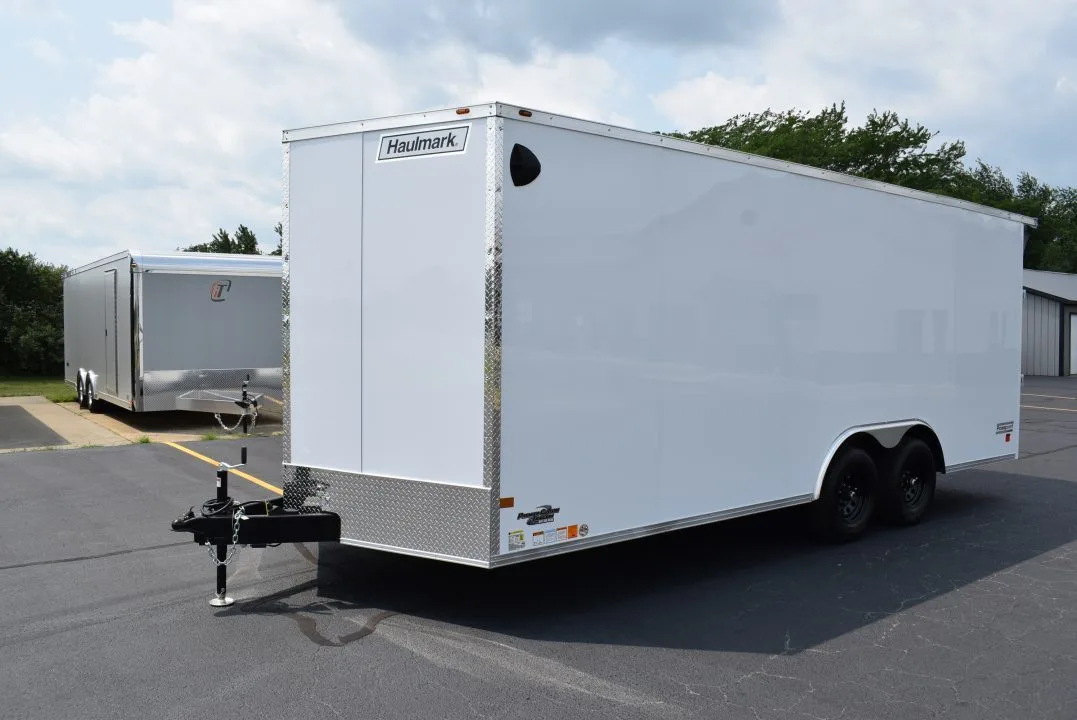
Work With a Trailer Dealer Who Understands the Application
Commercial trailer selection becomes much easier when buyers arrive with accurate information about cargo weights, dimensions, loading methods, towing conditions, and future needs. Premier Custom Trailers brings more than four decades of combined industry experience to conversations about specialized trailer applications and customization. The team works with manufacturers to help customers develop trailer specifications that match the job instead of forcing every business into the same standard configuration. Our support proves especially useful for buyers who know what they need to haul but need help translating those requirements into a trailer specification.
Businesses comparing trailer dealers in Michigan should look beyond inventory and consider whether the dealer understands payload, configuration, customization, and the demands of specialized commercial hauling. Premier Custom Trailers serves customers nationally with trailer solutions for professional, recreational, contractor, vehicle-hauling, and purpose-built applications. Customers can discuss their cargo, equipment, preferred features, and operating requirements with a team focused on making the buying process easier to understand. Contact Premier Custom Trailers to discuss your heavy commercial cargo requirements and explore a trailer configuration suited to the work ahead.
Size the Complete Trailer for the Job
Premier Custom Trailers can help buyers organize various requirements, including sizing trailer axles for heavy commercial cargo applications. Bringing equipment specifications, expected cargo weights, towing information, and a list of desired trailer features can make that conversation more productive. The team can then work with its manufacturers to pursue a configuration built around the customer’s application and customization needs. Start with the real load, plan the entire trailer around it, and choose a setup designed to support the work your business performs every day.