
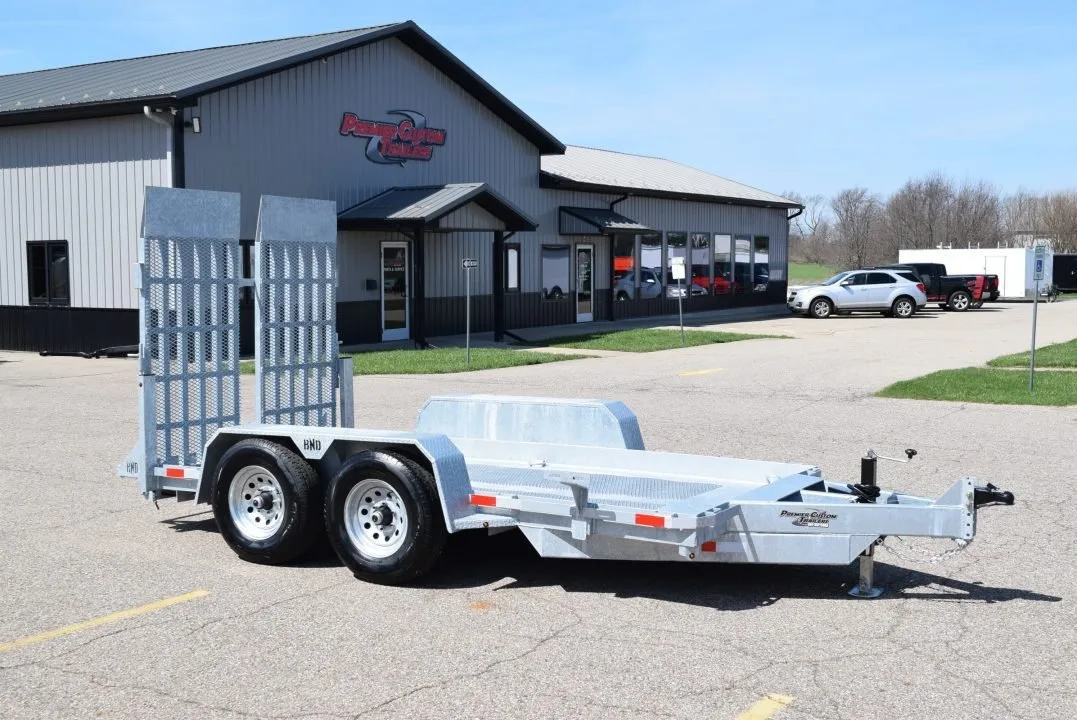
A scissor lift transport setup works hard every time crews load, secure, haul, and unload equipment at a jobsite. Routine trailer maintenance helps owners catch wear early, protect critical components, and keep the trailer ready for demanding transportation schedules. A consistent inspection routine also gives operators a better understanding of how ramps, tires, brakes, lights, tie-down points, and structural components perform over time. The right checklist turns a simple task from a last-minute reaction into a practical part of equipment management. Premier Custom Trailers created a scissor lift service and maintenance checklist for these reasons.
Start With a Consistent Pre-Trip Inspection
A strong maintenance program starts before the trailer ever leaves the yard, shop, or storage area. Walk around the entire unit and look for visible damage, loose hardware, fluid leaks from transported equipment, damaged wiring, or anything that changed since the previous trip. Check the coupler, safety chains, jack, breakaway components, and electrical connection before connecting the trailer to the tow vehicle. This quick routine can reveal small concerns before highway travel, loading activity, or jobsite conditions place additional stress on the trailer.
Pay close attention to the deck and loading area because these surfaces handle repeated equipment movement and concentrated weight. Look for loose fasteners, damaged flooring, unusual deformation, sharp edges, and debris that could interfere with tires or loading procedures. Remove mud, gravel, scrap material, and standing water so that operators have a clean surface for the next load. Record anything that needs repair so that the issue doesn’t disappear from attention once the workday becomes busy.
Inspect Tires, Wheels, and Hubs
Trailer tires support demanding loads, so tire condition deserves attention before every towing day and throughout the service life of the trailer. Check tire pressure when the tires are cold and follow the tire and trailer manufacturer specifications rather than relying on appearance alone. Inspect each tire for cuts, cracking, bulges, embedded objects, uneven tread wear, or other signs that could indicate damage or alignment concerns. Don’t forget the spare tire because a neglected spare provides little value when a road problem interrupts a job.
Wheel and hub inspections matter just as much as tire checks, especially when a trailer travels frequently or covers long distances. Look for loose or missing lug nuts, damaged wheel surfaces, unusual hub movement, or signs of excessive heat after travel. Follow manufacturer guidance for wheel-bearing inspection, lubrication, and service intervals because requirements can vary by axle and hub design. If tire wear repeatedly appears uneven, have a qualified technician inspect the running gear instead of treating tire replacement as the only solution.
Check Brakes and Breakaway Components
A loaded equipment trailer needs a properly functioning braking system, and regular inspection helps owners identify problems before stopping performance deteriorates. Test the trailer brakes according to the brake controller, axle, and trailer manufacturer procedures, then pay attention to delayed engagement, pulling, unusual noise, or inconsistent braking. Inspect accessible wiring and connections for damage, corrosion, looseness, or abrasion that could interrupt the electrical signal. Arrange professional service when brake performance changes or when inspection reveals worn, damaged, or questionable components.
The breakaway system also deserves routine attention because it serves a specific emergency function if the trailer separates from the tow vehicles. Inspect the switch, cable, battery, mounting points, and associated wiring according to the system manufacturer instructions. Make sure the cable remains in serviceable condition and connects correctly during towing rather than wrapping it around components in a way that limits operation. Replace damaged parts promptly and keep the system ready instead of assuming it works because the trailer lights and brakes function normally.
Test Lights, Wiring, and Electrical Connections
Electrical problems can turn a straightforward workday into an avoidable delay, especially when a trailer needs to travel early in the morning or after dark. Test brake lights, turn signals, running lights, clearance lights, and other installed lighting before departure. Inspect the trailer plug and visible wiring for corrosion, pin damage, exposed conductors, loose routing, or abrasion near moving and structural components. Clean and protect electrical connections according to manufacturer recommendations instead of waiting for intermittent lighting to become a complete failure.
Owners should also inspect any additional electrical equipment installed on the trailer as part of the regular maintenance schedule. Batteries, interior lighting, chargers, powered accessories, and other systems may have separate service requirements that depend on the trailer configuration. Keep terminals clean, watch for damaged cables, and confirm that mounted equipment remains secure after repeated road vibration. For complex electrical faults, professional diagnosis can save time and prevent improper repairs from creating new problems.
Build a Scheduled Maintenance Checklist
Daily walkarounds catch immediate problems, but scheduled maintenance creates a deeper layer of protection for components that need periodic service. Build the schedule around the trailer manufacturer, axle manufacturer, tire manufacturer, brake manufacturer, and component-specific recommendations rather than choosing arbitrary intervals.
Usage also matters because frequent highway miles, heavy jobsite use, long storage periods, and harsh conditions can change how closely an owner should monitor the trailer. Keep written service records so that operators know what technicians inspected, adjusted, lubricated, repaired, or replaced.
A practical maintenance checklist for scissor lift trailers can include:
- Verify tire pressure, tread condition, and visible sidewall condition.
- Inspect wheels, lug nuts, hubs, and wheel-bearing service status.
- Test brakes, breakaway equipment, lights, and electrical connections.
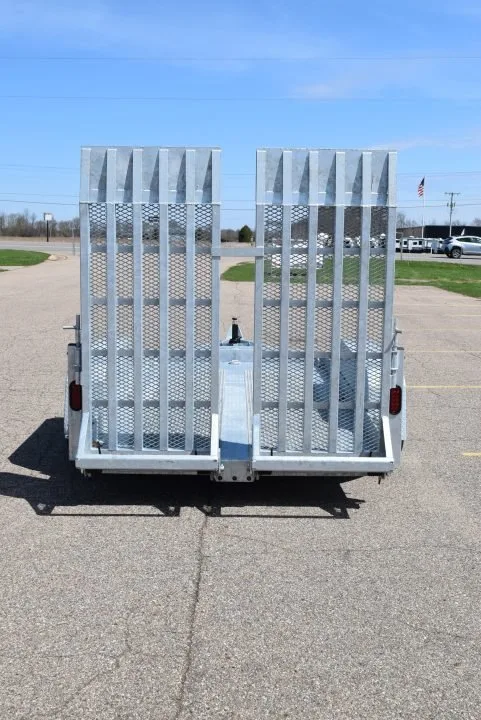
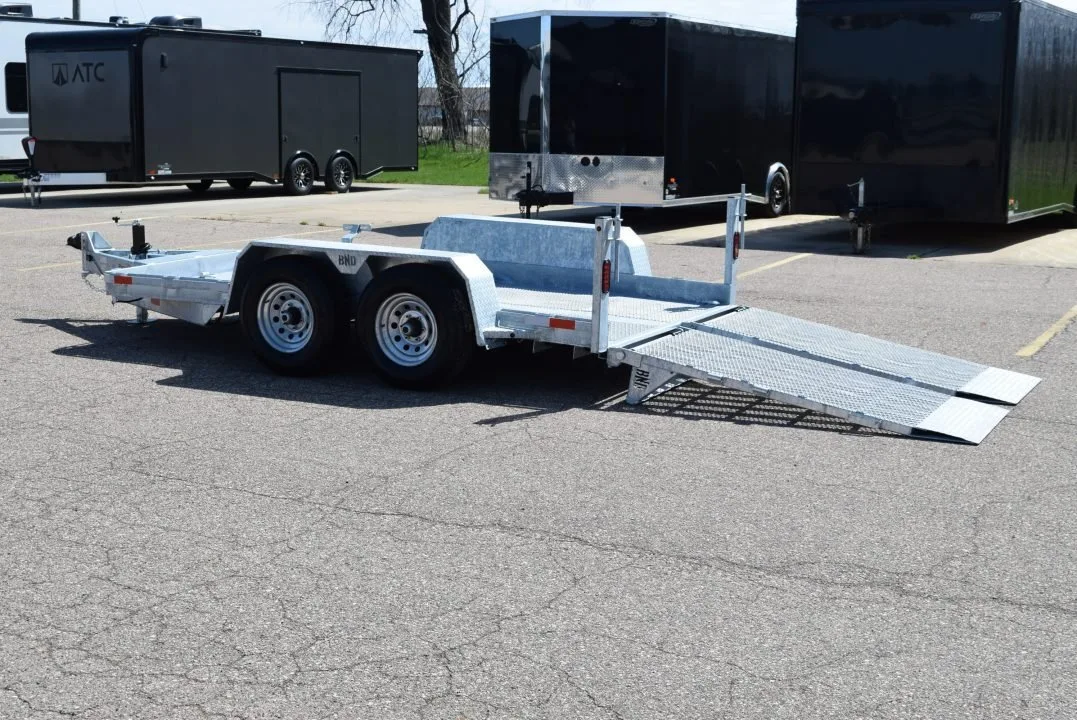
- Check ramps, hinges, latches, doors, jacks, and coupler hardware.
- Examine tie-down points, securement equipment, deck surfaces, and structural areas.
- Clean road grime, mud, salt, and debris from critical surfaces.
- Record repairs, replacement parts, service dates, and upcoming maintenance needs.
- Schedule professional inspection when wear, damage, or performance changes raise concerns.
Know When Professional Trailer Service Makes Sense
Premier Custom Trailers offers trailer repairs in addition to trailer sales, rentals, supplies, and customization-focused guidance for customers with varied hauling needs. The family-owned company brings more than four decades of combined industry experience to helping buyers and owners understand the equipment that fits their applications.
For owners of scissor lift trailers, dependable maintenance supports the same priorities that matter during the original purchase: safe loading, practical operation, durable construction, and reliable transportation. Contact Premier Custom Trailers to discuss trailer service, repair needs, available equipment, or a purpose-built trailer for your operation.
Keep Your Scissor Lift Transport Trailer Ready for Work
Premier Custom Trailers helps customers navigate trailer ownership with knowledgeable support, quality manufacturer products, repair services, and purpose-built options for specialized applications. Whether you need service for an existing unit or want to explore a new open or enclosed equipment transport solution, the team can clarify the available choices. Customers across the country can contact Premier Custom Trailers to discuss availability, pricing, repairs, and trailer requirements for their operation. Call or submit a contact form to start a conversation about keeping your trailer ready for the next job.